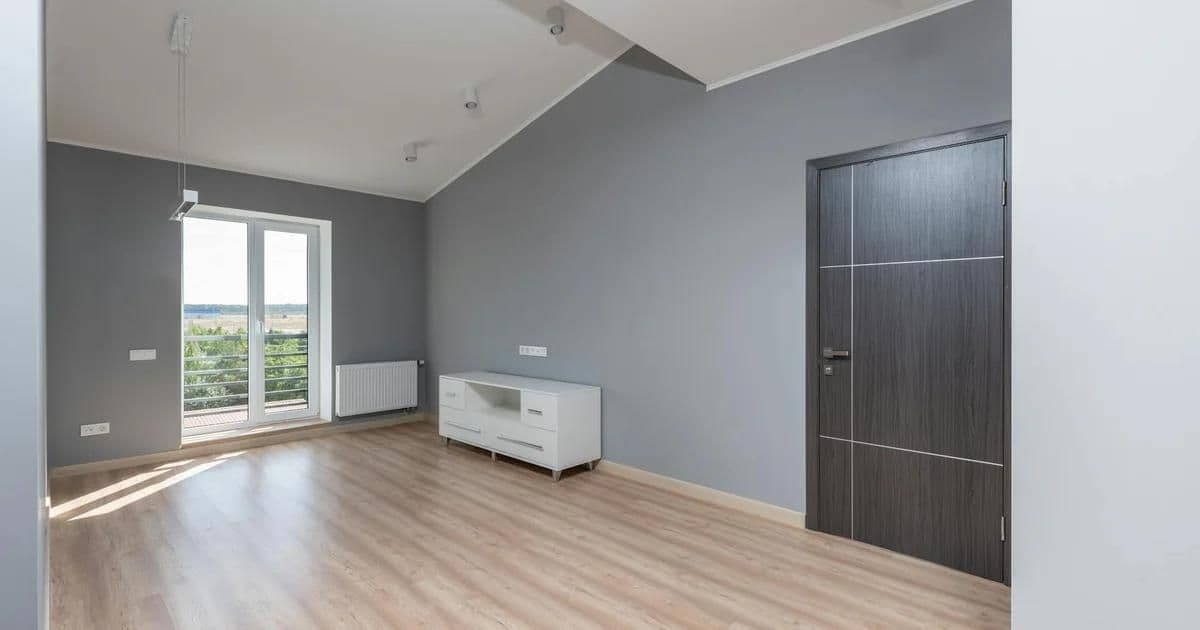
Minimalist Interior Design for Small Apartments: Making Every Square Meter Count
A 45-square-meter apartment doesn't need to feel like a compromise. Minimalist interior design for small apartments is about stripping a space down to what actually works and making those choices look intentional, not cramped. Here's how to do it right.
What Minimalism Actually Means in Small Spaces
Minimalism gets misunderstood constantly. It's not about white walls and zero personality. In a small apartment, minimalism means every object earns its place. If something doesn't serve a function or bring genuine satisfaction, it's taking up space you can't afford to waste.
The real principle is intentionality. A 30-square-meter studio with five well-chosen pieces feels bigger than a 50-square-meter flat stuffed with furniture "just in case." That's because visual clutter shrinks a room faster than actual square meters do.
Here's what minimalism looks like in practice for small spaces:
- One focal point per room. A statement armchair, a single piece of art, a beautifully designed shelf. Not all three competing for attention.
- Negative space is a design element. Empty wall sections and clear floor areas make the room breathe. Resist the urge to fill every corner.
- Quality over quantity, always. One solid wood dining table beats three cheap side tables. Fewer pieces means each one can be better.
- Function stacking. Every piece should do at least two jobs. A bench that stores blankets. A coffee table with hidden compartments. A bed with drawers underneath.
The goal isn't a showroom. It's a home that feels calm, works efficiently, and looks larger than its floor plan suggests.
Color and Light Strategies
Color does more heavy lifting in a small apartment than any piece of furniture. Get it wrong and even a well-organized space feels tight. Get it right and you buy yourself perceived square meters for free.
The base palette should be light. White, off-white, warm gray, soft beige. These reflect natural light and push walls outward. But "light" doesn't mean "boring" — layer texture within that palette: a linen sofa in cream, matte white walls, a wool rug in pale oatmeal.
Accent with restraint. One accent color, two or three placements max. A deep green plant, a terracotta vase, a navy cushion. More than that and a small room feels chaotic.
For light specifically:
- Maximize natural light. Use sheer curtains or roller blinds instead of heavy drapes. If privacy isn't an issue, skip window treatments entirely.
- Mirror placement matters. A large mirror opposite a window effectively doubles the light in a room. Avoid small decorative mirrors scattered around — one large one does more.
- Layer artificial lighting. Overhead lights alone flatten a small space. Combine a ceiling fixture with a floor lamp and a table lamp to create depth. Warm white (2700-3000K) keeps things inviting.
- Eliminate dark corners. Every unlit corner shrinks the perceived room size. A simple LED strip behind a shelf or under a cabinet opens up dead zones.
The biggest mistake we see in Istanbul apartments is heavy blackout curtains covering already limited windows. Let the light pour in — it's the cheapest way to make a small apartment feel bigger.
Furniture Selection Rules
Furniture choices make or break a small apartment. The wrong sofa can eat half your living room. The right one makes the space feel designed, not default.
Rule 1: Legs visible, room feels larger. Furniture raised on legs lets you see the floor underneath, which tricks the eye into perceiving more space. A sofa on visible wooden legs reads lighter than the same sofa with a skirt touching the floor.
Rule 2: Scale down, don't just squeeze in. A full-size three-seater sofa in a 20-square-meter living room doesn't work no matter how you angle it. A compact two-seater or a loveseat with the right proportions will actually seat people more comfortably because you'll have room to move around it.
Rule 3: Transparent and slim materials win. Glass coffee tables, acrylic chairs, wire-frame shelving — anything you can see through takes up visual space without blocking sightlines. A glass dining table in a studio apartment is practically invisible.
Rule 4: Multifunctional is mandatory. Sofa beds, extendable dining tables, storage ottomans, fold-flat wall desks — these are baseline requirements, not bonus features. Invest in good mechanisms; cheap ones break within a year.
Rule 5: Stick to a consistent material palette. Light oak, white, and matte black. Or walnut, cream, and brass. Consistency across fewer materials makes a small space feel curated rather than random. The Japandi interior design style is a natural fit here -- it's built around exactly this kind of material restraint.
Storage Solutions That Disappear
Storage is the real challenge in any small apartment. The solution isn't more storage containers — it's architecture-level thinking about where things go.
Vertical is your best friend. Floor-to-ceiling shelving uses dead air space above your head. A 2.5-meter bookcase stores three times more than a standard 1.2-meter unit on the same footprint.
Built-ins over freestanding. A custom closet built into an alcove looks like part of the wall. A freestanding wardrobe looks like furniture consuming space. The cost difference is smaller than people assume.
Here are the storage strategies that actually work in small apartments:
- Under-bed drawers. A raised platform bed with pull-out drawers replaces an entire dresser, freeing one to two square meters.
- Floating shelves in forgotten spots. Above doorframes, along hallway walls, above the toilet.
- Sliding doors. A standard door needs 0.8 square meters of swing clearance. A sliding door needs zero.
- Toe-kick drawers. The gap under kitchen base cabinets is dead space. Pull-out drawers there fit baking trays and cutting boards.
- Magnetic strips and wall hooks. Knives, pots, cleaning supplies — walls are storage surfaces most people ignore.
The guiding principle: if you can see the storage, the room feels smaller. Concealed storage — behind flush doors, inside furniture, below surfaces — keeps the visual field clean.
Kitchen and Bathroom Maximization
These two rooms have the highest density of "stuff per square meter" in any home. In a small apartment, they need surgical precision.
Kitchen: Counter space is sacred. Every appliance that lives on the counter should justify its daily presence. Use upper cabinets that reach the ceiling — standard wall cabinets leave 30-40 centimeters of dead space above. Integrated appliances behind cabinet fronts create a seamless line. Pull-out pantry systems use narrow 15-centimeter gaps to store cans and spices. Many of these tactics come straight from compact-layout work — our modern kitchen design ideas guide breaks down galley and single-wall plans that suit small apartments.
Bathroom: A wall-hung vanity and toilet frees visible floor space and makes the room feel larger. Use recessed niches in shower walls instead of caddies. Large-format tiles with fewer grout lines expand the perceived size. A frameless glass shower screen maintains visual flow better than curtains or framed enclosures.
The Biggest Mistakes in Small Apartment Design
After designing dozens of small apartments across Istanbul, these are the mistakes we see repeated most often:
- Buying furniture before measuring. That beautiful sectional arrives and blocks the balcony door. Use floor plans with paper furniture templates before purchasing anything. If the layout problems run deeper, it may be time to consider a renovation vs rebuild decision.
- Ignoring vertical space. The top 60 centimeters of every wall is unused real estate. Shelving and cabinets up there dramatically increase storage.
- Too many small rugs. Multiple rugs break up the floor and make a room feel choppy. One rug that fits the seating area unifies the space.
- Heavy curtains. Floor-length sheer panels or roller blinds keep light coming and visual weight low.
- Sentimental clutter. Display five favorite objects beautifully rather than fifty carelessly. In a small apartment, collections add noise, not character.
- Neglecting the entryway. Even a narrow hallway needs hooks for keys, a slim shelf, and a shoe spot. Without a system, clutter accumulates at the front door.
FAQ
How do I make a 30-square-meter studio apartment feel bigger? Focus on a light color palette, furniture with visible legs, and concealed storage. A large mirror opposite the main window amplifies natural light. Use a rug or lighting change to define zones instead of bulky room dividers.
Is minimalist design more expensive than regular decorating? Not necessarily. You buy fewer items but better ones. A well-made sofa lasting fifteen years costs less per year than a cheap one replaced every three. The real savings come from not buying filler — decorative objects, extra furniture, and storage for things you shouldn't own.
Can minimalist apartments still feel warm and personal? Absolutely. Warmth comes from materials and texture, not quantity. A wool throw, a wooden cutting board, a single framed photo — these add personality without clutter. One large plant makes more impact than six small succulents.
What's the best flooring for a small minimalist apartment? Light-toned wood or wood-effect flooring in a plank size of at least 20 by 120 centimeters. Larger planks mean fewer seams, which makes the floor look more continuous and the room larger. Run the planks lengthwise along the longest dimension of the room. Avoid mixing different flooring materials between rooms — continuity expands the perceived space.
How do I handle storage for seasonal items like winter coats and blankets? Vacuum-seal bulky items and store them in under-bed drawers or the highest closet shelf. A floor-to-ceiling wardrobe with internal organization consolidates everything into one piece. Rotate seasonal wardrobes twice a year to keep your daily closet manageable.
Should I hire an interior designer for a small apartment? For apartments under 50 square meters, professional help often pays for itself. A designer prevents costly mistakes and sees spatial possibilities you might miss. Our guide on how to work with an interior designer walks you through the process from the client side. Even a single consultation to establish a layout and material palette gives you a framework to execute over time. At DEEX Studio, we specialize in compact living spaces across Istanbul and offer initial consultations to get the fundamentals right.
Bize Ulaşın
Projenizi Hayata Geçirelim
Yeni bir proje mi planlıyorsunuz? Vizyonunuzu birlikte gerçekleştirelim.